


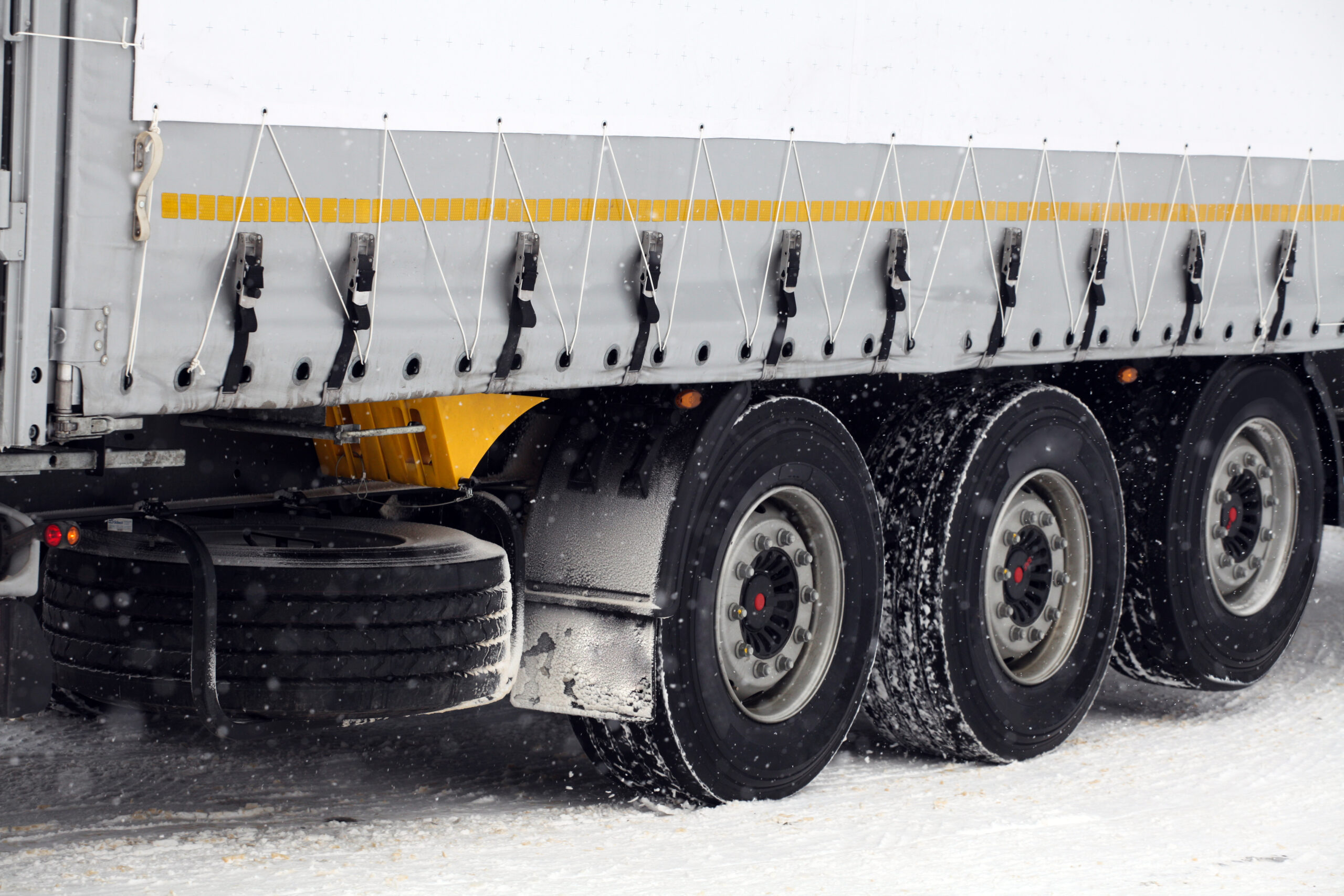
As carriers seek to cut costs in a tight market, many choose the cheapest trailer tires available. After all, semi-trailer truck tires demand the least performance of all other tire positions, right? Here’s the truth most truckers don’t understand:
Cheap tires end up costing the most.
Think about it: Cheap semi-trailer truck tires require more replacements, more maintenance, and more fuel stops. By the end of their lifecycle, fleets could end up paying thousands of dollars more for cheap tires than for safe tires.
Instead of evaluating a semi-trailer truck tire’s cost effectiveness by price tag, it’s better to understand how the tread is affecting your bottom line. When the tread and a tire’s application are reconciled, you get better traction, fewer violations, longer tire life, and overall lower cost.
Here’s how to select the proper tread for semi-trailer truck tires.
Why tread choice matters for semi-trailer truck tires
On a semi, your tread pattern determines how long your tires will last. With great tread, you can optimize traction, braking distance, and fuel burn, all factors that can save you money in the long haul. The wrong tread, however, can lead to increased wear, poor grip, and a greater risk.
In addition to mechanical savings, a good tread can also save you on costs associated with non-compliance. The DOT has stringent requirements for tread depth: steer tires must have at least 4/32 inch in every major groove, and drive and trailer positions must have at least 2/32 inch. If your semi-trailer truck tires are consistently dipping below these amounts due to poor tread, you may be cited for violations, or worse, risk a collision.
Match the tread to your haul
In selecting the proper tread for your semi-trailer truck tires, it’s critical to understand their application. Long‑haul highway use, for example, needs a very different tread than regional use.
Here are a few recommendations for tread styles depending on their application.
Long‑haul / linehaul
If you are consistently traveling more than 500 miles per day on the interstate, fuel and miles‑to‑removal will provide the greatest return. For semi-trailer truck tires, consider a tread design with a straight rib for low-rolling resistance.
Experts recommend semi-trailer truck tires with straight ribs for highway use to improve fuel economy.
Regional
If most of your work is done in a tight region, you will likely find yourself frequently stopping, turning, and reversing. This mode of transportation typically requires a tougher tread.
For regional work, consider rib or rib-block tread with reinforced shoulders to withstand frequent friction. These features maximize a tread’s lifespan in urban settings.
Construction/Vocational
If your truck typically runs on construction lots and gravel roads, you’ll need a tread that provides additional protection.
For vocational truckers, block or rib‑block treads can help prevent additional wear from rugged roads. Though these tires are less fuel-efficient, they can save you hundreds in semi-trailer truck tire repairs.
Weather and seasons
Though all truckers occasionally face inclement weather, some regularly battle snow and ice, particularly those hauling through mountainous regions. For these truckers, specialized treads are recommended.
For wet conditions, rib treads with circumferential grooves help evacuate water and combat hydroplaning, especially for trailer positions.
For icy conditions, block or lug patterns with sipes and biting edges improve braking in snow.
Maintaining healthy tread depth
Regardless of which tread you choose, excellent tread hygiene can be the difference of hundreds of dollars in savings. Ensure your semi-trailer truck tires don’t dip below 2/32 inch. At this depth, you’ll compromise fuel efficiency and be far more vulnerable to blowouts.
Additionally, monitor for signs of uneven wear. If your tire is worn on one side, the effects can easily snowball into more serious mechanical problems.
Selecting the proper tread for your semi-trailer truck tires can be the difference of thousands of dollars. By tailoring the tread to the demands of your routes, you can optimize fuel efficiency, promote tire longevity, and save time and money.
###
The England Carrier Services (ECS) division offers various services for carriers ranging from maintenance to support. As ECS members, carriers have access to nationwide discounts on fuel and tires from dedicated team members committed to finding the best price. ECS also provides factoring services with benefits such as same-day funding to a bank account or fuel card. These options allow carriers the freedom to focus on growing their business while saving time and money.